
Decks
Composite vs Wood Decking in Western Washington: Cost, Rain and Upkeep

The short answer
Wood costs less up front. Pressure treated pine is the cheapest decking there is, and cedar looks beautiful.
Composite costs more but lasts about twice as long and needs far less upkeep, which counts for a lot in a climate this wet.
If you are building or replacing a deck in western Washington, the first big choice is the boards. Here is how composite and wood compare on cost, on rain, and on the work each one asks of you.
What each one costs
LawnLove's 2026 composite decking guide puts the boards alone at these prices per square foot:
| Decking | Boards only, per sq ft |
|---|---|
| Pressure treated pine | $2 to $3.75 |
| Cedar | $3.40 to $6.00 |
| Composite | $4.48 to $13.30 |
| PVC | About $10 |
Installed, the same guide puts most composite decks at $25 to $50 per square foot, or about $10,000 to $20,000 for a 400 square foot deck. Other guides put the same deck as high as $32,000, and our Thurston County deck cost guide lays the figures side by side.
How long each one lasts
LawnLove puts the typical life of pressure treated wood at 10 to 15 years, cedar at 15 to 20, and composite at 25 to 30. Most composite decking also comes with a warranty of at least 25 years.
That changes the math. A composite deck can cost more on day one and less over its life, because you may build one composite deck in the time you would build two wood ones.
Wood in our rain
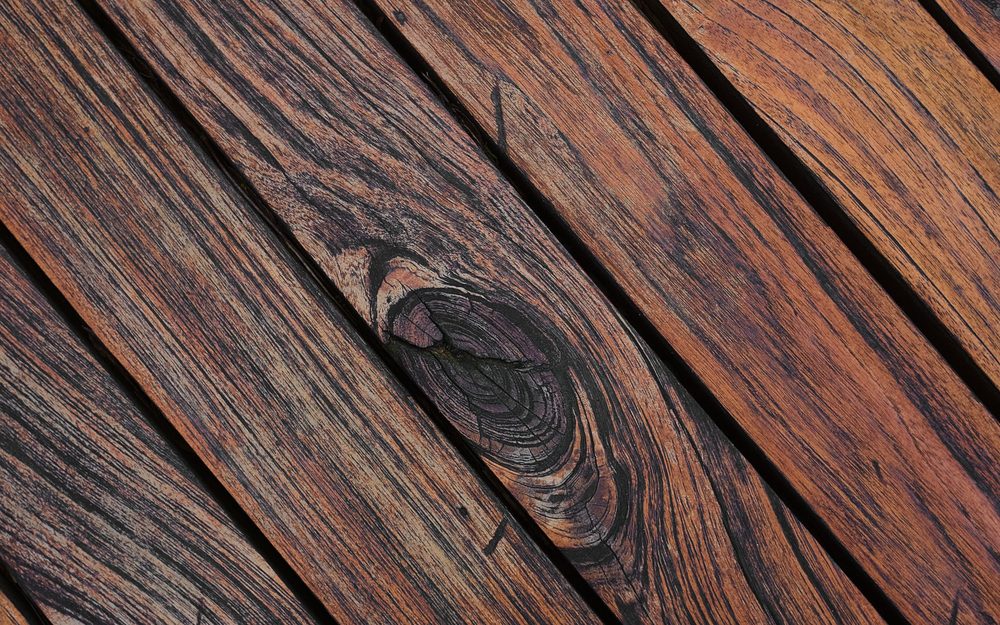
Wood is lovely, and cedar in particular suits a Northwest home. But it needs looking after. In this rain, pressure treated decking needs staining every year or two to reach its 10 to 15 years, as we explain in deck repair or replace.
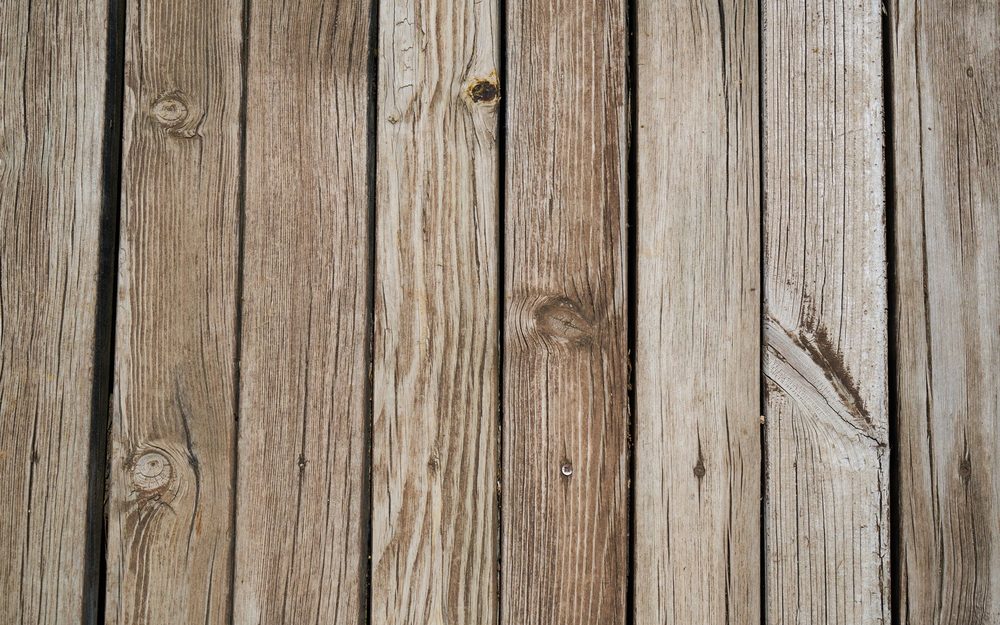
Skip the sealing and wood goes gray, then starts to crack and soften.
Composite in our rain
Composite does not rot, so the boards themselves hold up well to a wet winter. It is not maintenance free, though. Trex, one of the biggest composite brands, says mold can grow on the film of pollen and dirt left sitting on the surface. Its advice is to clean it off with a hose, warm soapy water and a soft brush.
On a deck under trees, plan on a good wash in spring and fall. Trimming back overhanging branches helps too.
One more thing. Composite boards usually sit on a wood frame, so the frame underneath still needs to be built for the wet, with good drainage and posts on concrete footings.
Composite or wood: how to choose
- Tight budget, or a deck you may replace in 10 years? Pressure treated wood.
- Want real wood and do not mind sealing it? Cedar.
- Want to stop staining, and staying put for the long run? Composite.
- Deck under trees or in deep shade? Either works, but composite will not rot, as long as you wash it.
Where to go from here
We build decks in both wood and composite across Thurston and Pierce counties. For ideas, see deck design ideas, or our decks and patios page.
Tell us about your deck, its size and how much shade and rain it gets. We will tell you which material makes sense and what it would cost.
Common questions
Is composite decking worth it in western Washington?
For many people, yes. Composite does not rot and lasts about 25 to 30 years against 10 to 15 for pressure treated wood, according to LawnLove, and it skips the yearly staining wood needs in this rain. It does cost more up front.
How much does composite decking cost?
LawnLove puts composite boards at about $4.48 to $13.30 per square foot, and most installed composite decks at $25 to $50 per square foot, or about $10,000 to $20,000 for 400 square feet.
Does composite decking get moldy?
The boards do not rot, but mold can grow on pollen and dirt left on the surface. Trex recommends cleaning it with a hose, warm soapy water and a soft brush.
How long does a pressure treated deck last?
About 10 to 15 years, according to LawnLove. In western Washington it needs staining every year or two to get there.
Code requirements on this page were last checked on 29 October 2026. Codes change, so confirm current standards with your city or county before you apply.
Planning a deck?
We handle the permit work as part of the build. Tell us the site and what you want.
Where this applies
We work in every one of these towns, and each has its own page covering the rules that apply there.