
Outdoor living
Freestanding vs Attached Patio Cover: Which Is Right for You?
The short answer
An attached patio cover fastens to your house on one side. It usually costs less and keeps you dry from the back door to the table.
A freestanding patio cover stands on its own posts. It costs more, but it can go anywhere in the yard, at any height, and never touches your roof.
The difference in one sentence
An attached cover borrows the house for support. A freestanding one carries itself. Almost every other difference, from cost to where it can go, comes back to that.
Attached patio covers
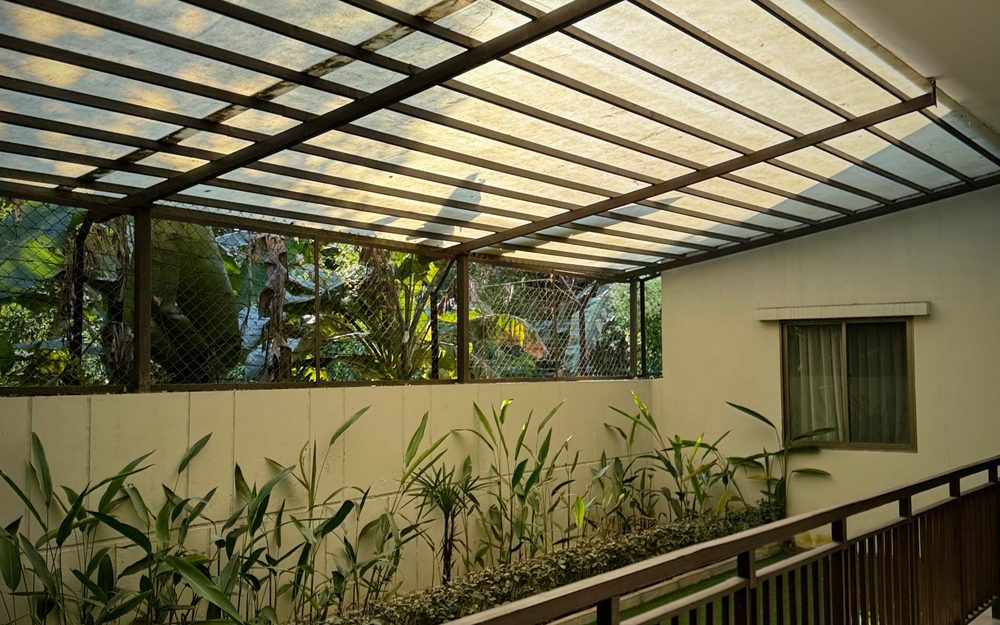
An attached cover is fixed to the house on one side and sits on posts on the other. It can be a solid roof, clear panels or an open pergola.
- Usually cheaper. The house carries one side, so you need fewer posts and footings.
- Dry all the way. No dash across the yard in the rain. That matters here for half the year.
- Looks like part of the house when the roofline and colors match.
The catch is the connection. Where the cover meets the wall or roof, it needs proper flashing and a solid ledger, or water finds its way into your siding. Your roofline also sets the height. On a single-story house with low eaves, an attached cover can feel low.
Freestanding patio covers
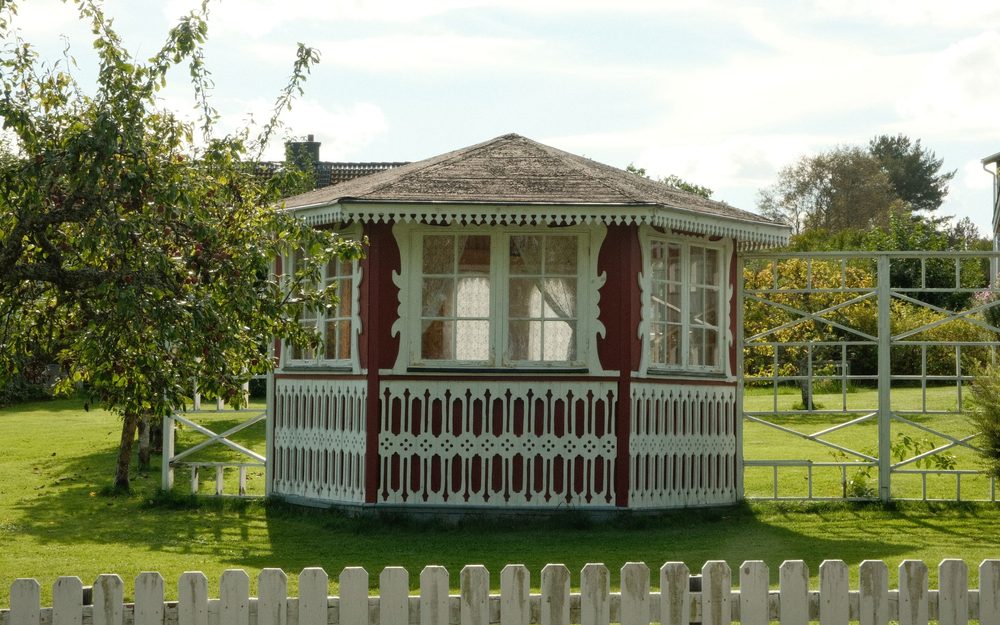
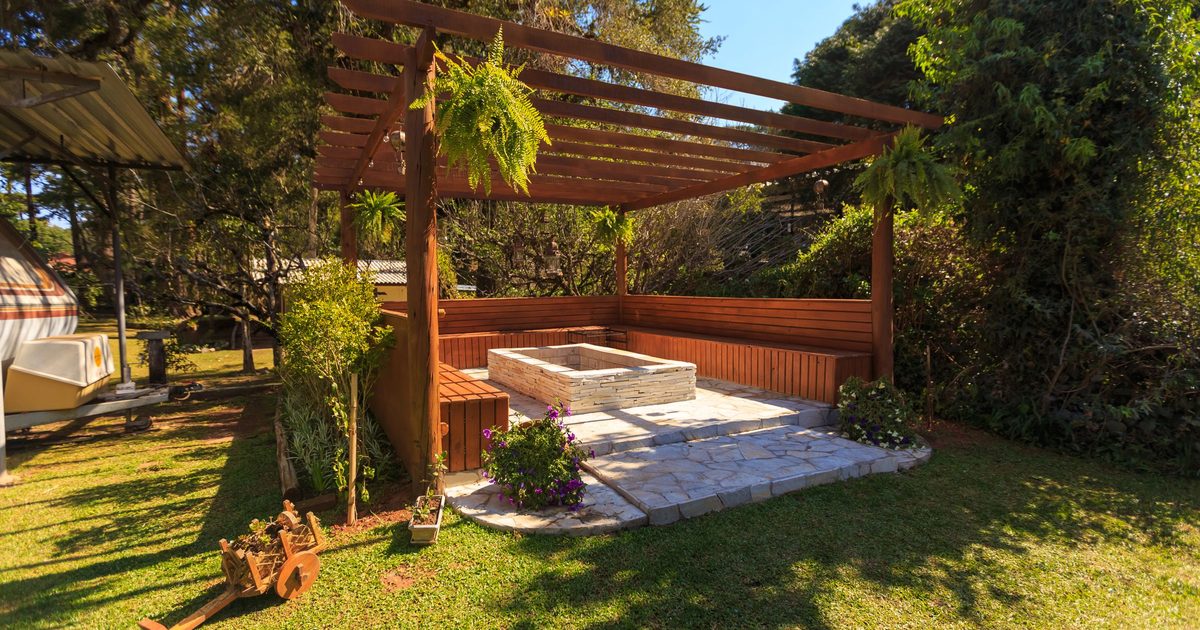
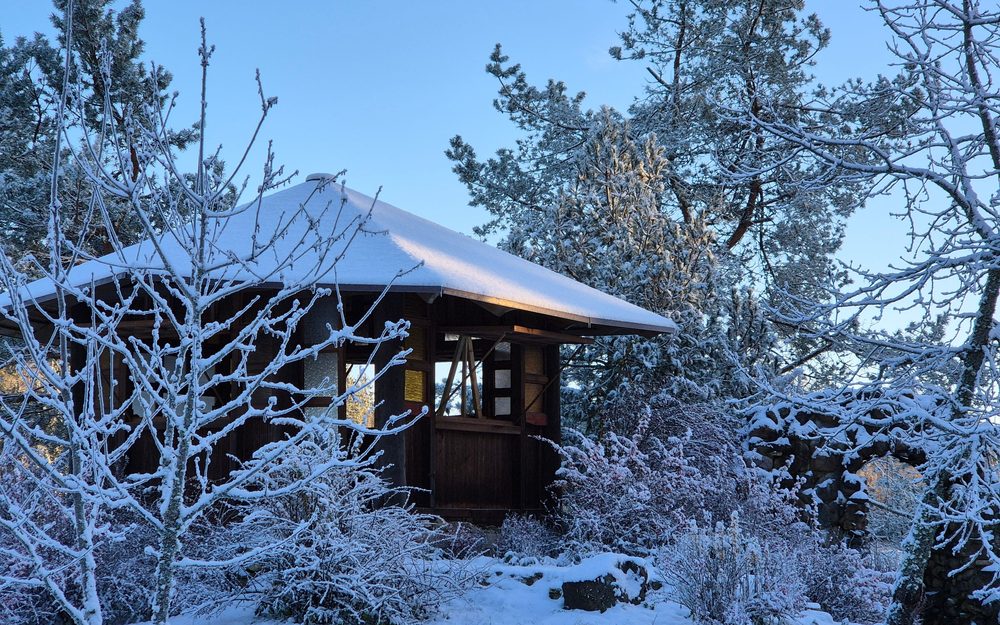
A freestanding cover stands on its own posts and footings, with no connection to the house. Pavilions, gazebos and stand-alone pergolas all fall into this group.
- Goes anywhere. Out by the fire pit, over a hot tub, or at the far end of the yard where the evening sun lands.
- Any height or shape you like, because it does not have to fit under your roofline.
- Leaves your roof alone. Nothing ties into the house, so there is no connection to leak.
It costs more because it has to hold itself up. Every corner needs a post and a footing, and there is no house wall to brace against. A cover away from the house also means a walk from the back door, which you will notice on a wet night.
What each one costs
Fixr, in its February 2025 cost guide, puts an attached covered patio at $500 to $25,000 and a freestanding one at $3,000 to $25,000. Its national average for a covered patio is about $8,500, for a 12 by 18 foot paver patio with an attached pergola.
The low end of the attached range is a fabric sail over a small patio. A solid roof that stands up to our weather sits much higher. Bob Vila's cost guide explains the gap the same way we do. Attached covers lean on the house, so they need less material, while freestanding ones need extra material to hold themselves up.
For a closer look at prices around here, see what a deck or deck cover costs in Thurston County.
Attached or freestanding, side by side
| Attached | Freestanding | |
|---|---|---|
| Cost | Usually lower | Usually higher |
| Where it goes | Against the house | Anywhere in the yard |
| Height | Set by your roofline | Your choice |
| Getting there in the rain | Step out the door | A short walk |
| Ties into the house | Yes, needs flashing | No |
| Best for | Dining and everyday use | Views, hot tubs and fire pits |
Pergola or solid roof?
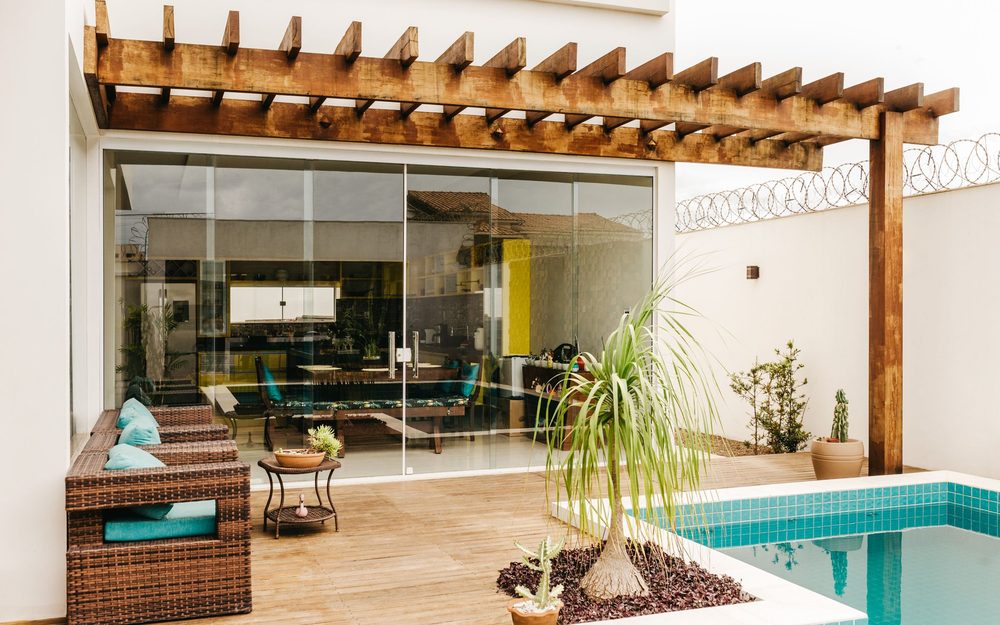
Both kinds can be open or roofed. An open pergola looks great and gives shade, but rain falls straight through. In western Washington, most people who want to use the space in October want a solid roof, clear panels or a louvered roof that closes.
We walk through seven options in patio cover ideas that work in Washington rain.
Built for our weather
- Gutters and downspouts, so the water from a big roof does not land where you walk.
- Posts on concrete footings, not buried in the dirt where wood rots.
- Snow load in writing. Ask what the roof is designed to carry.
- Wind. A freestanding cover in an open yard catches more of it, so it needs to be anchored well.
Do you need a permit?
For an attached cover with a solid roof, expect one. Tumwater lists any patio or deck roof cover as needing a permit, and in Thurston County a cover attached to the house enlarges the roof, which also needs one.
A small freestanding cover is less clear-cut. Olympia, for example, exempts one-story detached sheds, playhouses and similar buildings up to 200 square feet, while Tumwater lists patio roof covers with no size limit. Electrical work for lights or a heater needs its own permit either way. Check with your city before you build. Our guide to deck and deck cover permits has the details.
How to choose
- Want to eat outside from the kitchen door? Go attached.
- Want it out by the view, the hot tub or the fire pit? Go freestanding.
- Low eaves or a tricky roof? Freestanding avoids the problem.
- Tighter budget? Attached usually costs less for the same size.
Where to go from here
We design and build both kinds of patio and deck covers across Thurston and Pierce counties, with the permit handled as part of the job.
Send us a photo of your patio and the back of the house. We will tell you which kind fits, and what it would take.
Common questions
Is a freestanding or attached patio cover cheaper?
An attached cover is usually cheaper, because the house carries one side and it needs fewer posts and footings. Fixr (February 2025) puts attached covers at $500 to $25,000 and freestanding ones at $3,000 to $25,000.
Can an attached patio cover cause leaks?
It can if the connection is done badly. Where the cover meets the wall or roof it needs proper flashing and a solid ledger, so water is shed away from the house instead of into the siding.
Does a freestanding patio cover need footings?
Yes. It has to hold itself up, so every post needs a footing, and it should be anchored well against wind.
Do I need a permit for a patio cover in Washington?
For an attached cover with a solid roof, almost always. A small freestanding cover may be exempt in some cities, such as Olympia, which exempts one-story detached buildings up to 200 square feet, but not in others, such as Tumwater. Check with your city before you build.
Which is better in the rain?
An attached cover keeps you dry from the back door to the table. A freestanding one works just as well once you are under it, but you have to walk there.
Code requirements on this page were last checked on 23 October 2026. Codes change, so confirm current standards with your city or county before you apply.
Planning a deck in Thurston County?
We handle the permit work as part of the build. Tell us the site and what you want.
Where this applies
We work in every one of these towns, and each has its own page covering the rules that apply there.