
Tiny homes
Tiny Home Builders in Washington: How to Choose the Right One
The short answer
Decide first whether you want a tiny home on a foundation or on wheels. That choice decides which kind of builder you need and which rules apply.
Then check that the builder is registered, bonded and insured with Washington's Department of Labor and Industries (L&I), and ask the questions below before you sign.
Search for tiny home builders in Washington and you get a mix of factory builders, trailer builders and local contractors. They are not the same, and the right one depends on where your tiny home will go and how it will be built.
Start with foundation or wheels
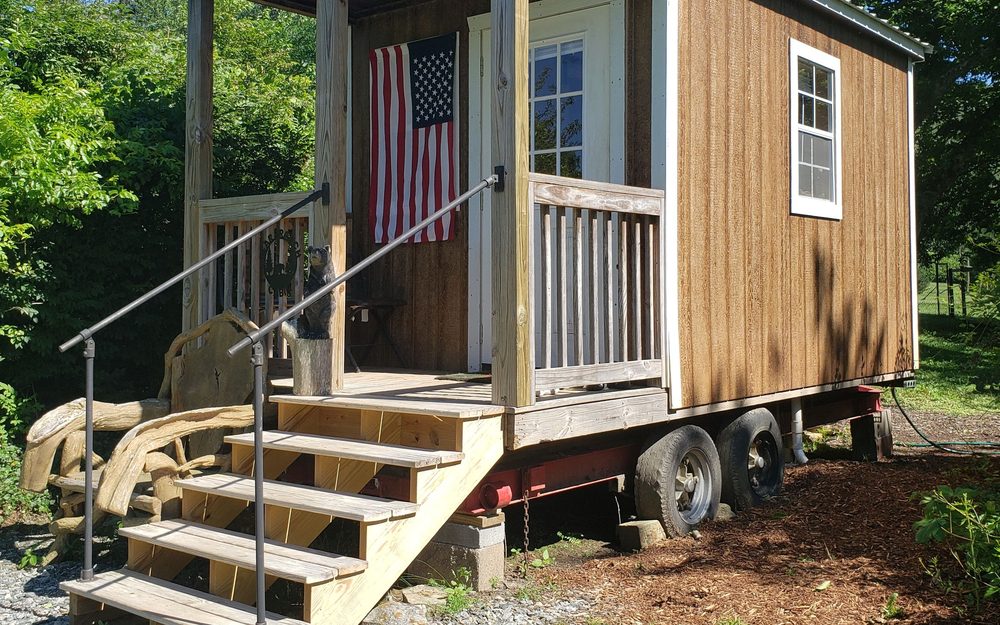
L&I defines a tiny house as a dwelling of 400 square feet or less, with a kitchen, bathroom and sleeping and living area, built to the Washington State Building Code. It may be built on wheels.
A structure on wheels that does not meet that definition may be a recreational vehicle or a park model instead, with its own rules about where it can go. Our guide to tiny homes on a foundation or on wheels walks through the differences.
The three kinds of tiny home builder
- Local contractors who build on your lot. The home is built where it will stay, usually on a foundation, under a permit from your city or county. This is how we build.
- Factory builders. The home is built somewhere else and moved to your land. L&I requires its insignia on these, and only puts it on tiny houses built to L&I-approved plans and inspected during construction.
- Trailer and RV builders. Homes on wheels built as RVs or park models, which are a separate category with separate rules.
Whichever you choose, L&I notes that local permits are still needed for the foundation, the installation and where the home sits on your property. If you are buying a finished or used tiny house, check with your local building department first that they will accept it.
Check the builder before you sign
L&I's free contractor verification tool lets you look up any Washington contractor. L&I suggests using it to check that the contractor:
- Has an active license
- Is bonded and insured
- Keeps a safe job site, or has corrected any violations
- Has no history of lawsuits or license violations you should know about
Questions to ask a tiny home builder
- Have you built tiny homes like mine? Ask to see photos and finished projects.
- Will you handle the permit? Building on a foundation means a local permit, and someone has to manage it.
- What is included in the price? Site work, the foundation, utility connections and permits are often extra.
- How will you handle sewer or septic, water and power? These can cost as much as the home itself on a rural lot.
- How long will it take, and what is the payment schedule?
- What warranty do you give?
What a tiny home costs
Tiny house prices online vary wildly, because sources mean different things by a tiny house. A tiny home on a foundation in your backyard is built and permitted much like a detached ADU, which one home addition cost guide puts at about $276 to $520 per square foot as a national average, plus roughly $5,000 to $12,000 in permits.
Get a written quote that spells out what is included, and compare builders on the same scope.
A tiny home as an ADU
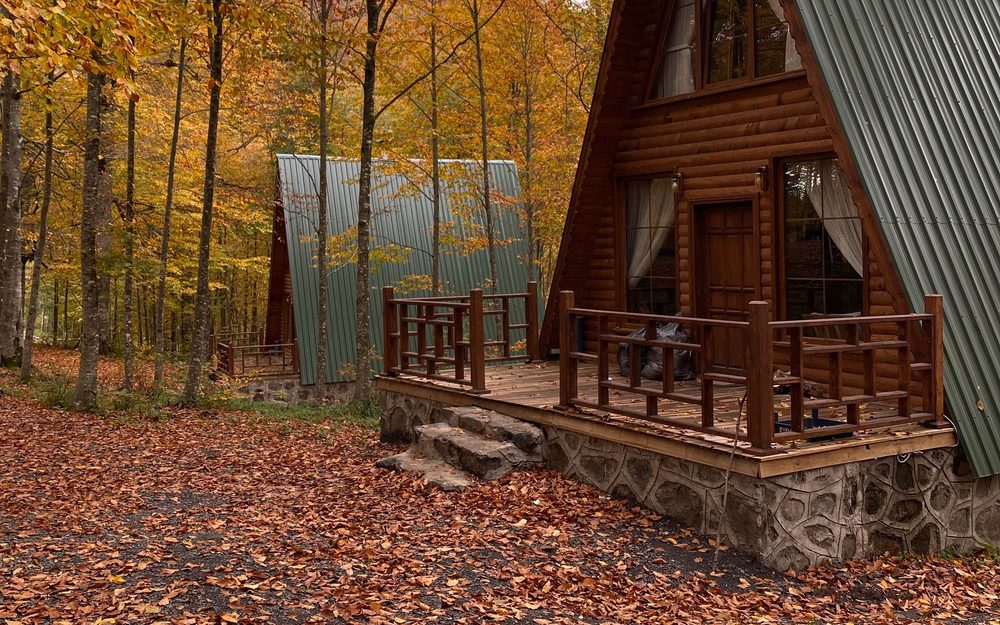
Many people build a tiny home as a backyard ADU, for family, a guest or a tenant. In Thurston County's urban growth areas you can have up to two ADUs on a lot. Our Thurston County ADU rules guide has the details.
Where to go from here
We are tiny home builders in Olympia, Lacey and Tacoma, building on foundations across Thurston and Pierce counties, as permanent small homes and backyard ADUs, with the permit handled as part of the job.
Tell us about your land and the tiny home you have in mind. We will tell you what it allows and what it would take.
Common questions
What counts as a tiny house in Washington?
L&I defines a tiny house as a dwelling of 400 square feet or less, with a kitchen, bathroom and sleeping and living area, built to the Washington State Building Code. It may be built on wheels.
Do I need a permit for a tiny home in Washington?
Yes. L&I says local permits are required for a tiny house's foundation, installation and location on a property. One built in a factory and moved to your land also needs an L&I insignia.
How do I check a tiny home builder in Washington?
Use L&I's free contractor verification tool to check that the builder has an active license, is bonded and insured, and has no history of violations or lawsuits.
How much does it cost to build a tiny home?
Prices vary widely by size and what is included. A tiny home on a foundation is built much like a detached ADU, which one cost guide puts at about $276 to $520 per square foot nationally, plus roughly $5,000 to $12,000 in permits.
Code requirements on this page were last checked on 1 November 2026. Codes change, so confirm current standards with your city or county before you apply.
Planning a tiny home?
We handle the permit work as part of the build. Tell us the site and what you want.
Where this applies
We work in every one of these towns, and each has its own page covering the rules that apply there.